


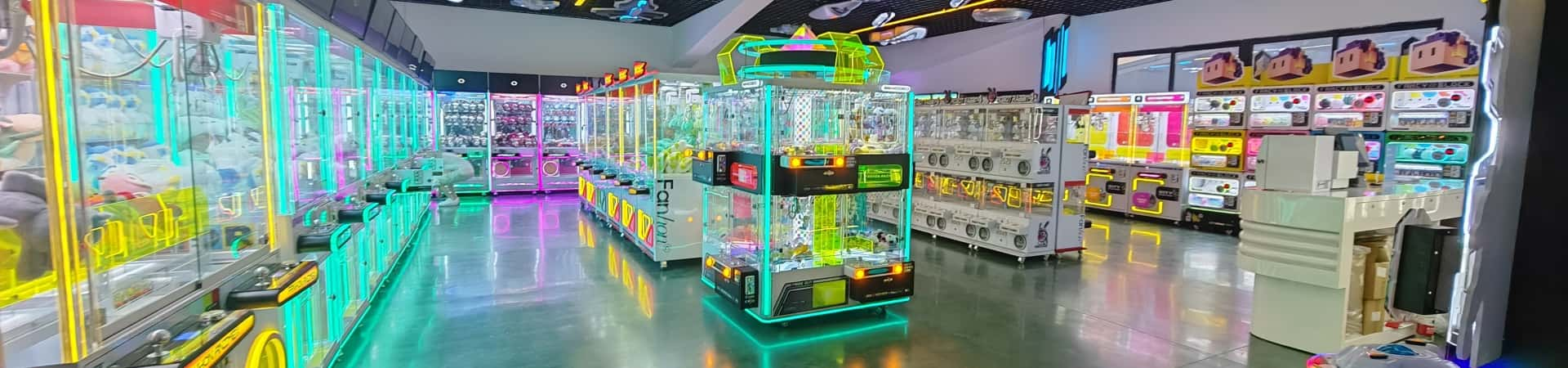
Claw Machine Store Startup Costs: How to Build Your Budget
Opening a claw machine store requires more financial planning than simply comparing machine prices. Equipment is an important expense, but shipping, rent, renovation, prizes, payment systems, maintenance, and local compliance requirements can also affect your total investment.
A detailed budget helps you compare suppliers, control purchasing decisions, and avoid overlooking expenses before opening.
1. Separate Startup Costs From Operating Costs
The first step is to divide your budget into two categories.
Startup costs are expenses required to prepare the business for opening. These may include machine purchases, freight, deposits, renovation, signage, and initial prize inventory.
Operating costs are recurring expenses incurred while running the business. These may include rent, electricity, labor, prize replenishment, payment processing fees, cleaning, and repairs.
Keeping these categories separate makes it easier to estimate the money needed before opening and the cash required to keep the store operating.
2. Estimate Your Equipment Budget
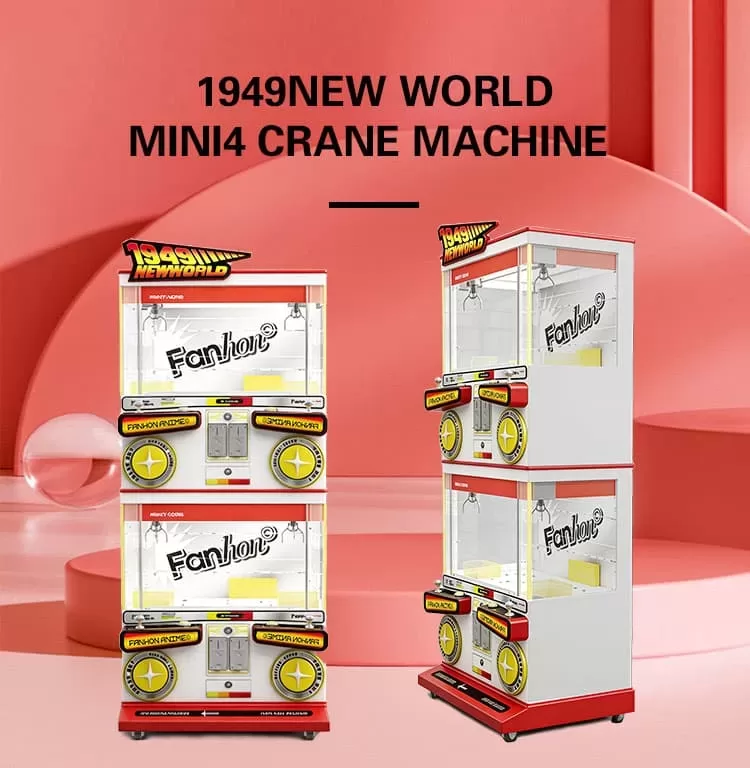
Commercial claw machines are available in different sizes, designs, and configurations. Prices vary according to the model, cabinet construction, features, customization, order quantity, and destination.
When requesting a quotation, provide enough information for suppliers to recommend suitable options.
Include:
Number of machines required
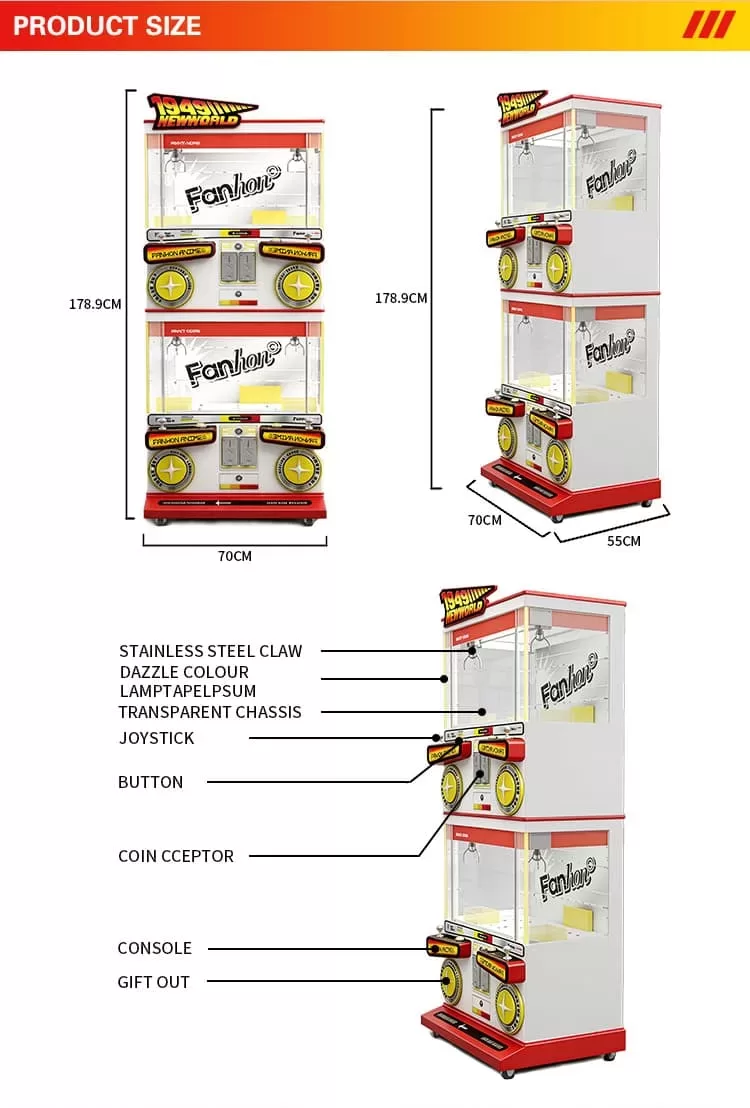
Preferred machine dimensions
Prize type and approximate size
Desired cabinet colors and graphics
Logo and branding requirements
Lighting and gameplay preferences
Required payment methods
Destination country and delivery address or port
Compare quotations using the same specifications. A lower machine price may not represent a lower total cost if important features, packaging, or shipping services are excluded.
3. Include Freight and Delivery Expenses
International buyers should calculate the total delivered cost rather than focusing only on the factory price.
Depending on the shipment and destination, relevant costs may include:
Export packaging
Domestic transportation in China
International freight
Cargo insurance
Destination port or terminal charges
Customs clearance and applicable duties or taxes
Local delivery to the final location
Not every shipment includes all these charges in the supplier's quotation. Ask for a clear breakdown and confirm which party is responsible for each stage.
Import requirements differ by country. Check applicable electrical, product safety, labeling, and customs requirements before placing an order.
4. Budget for Your Location and Store Fit-Out
Your location can significantly affect the overall investment.
Potential expenses include rental deposits, advance rent, electrical work, flooring, lighting, wall finishes, signage, and other renovation work. The final amount depends on the condition of the space and the requirements of the property owner or local authorities.
Before signing a lease, measure the available floor area and prepare a layout using the actual dimensions of your intended machines.
A layout should account for customer circulation, staff access, prize replenishment, electrical connections, and required exits. Avoid purchasing equipment that cannot fit through the building entrance or delivery route.
5. Plan Your Initial Prize Inventory
Prizes are part of the customer experience and an ongoing operating expense.
Your initial inventory should match the machine's prize opening, the target audience, and your store concept. Consider size, weight, packaging, perceived value, durability, and restocking availability.
Instead of purchasing a large quantity of one prize immediately, consider testing a manageable selection and reviewing customer response.
Track the cost and usage of each prize type. This information can help you make more informed replenishment decisions.
6. Include Payment and Operating Systems
Confirm which payment methods your target customers expect to use.
Depending on your market and machine model, the setup may require coin acceptors, bill validators, card readers, QR payment integrations, or other compatible equipment.
Before ordering, confirm:
Supported currencies and denominations
Payment hardware compatibility
Required software or account setup
Transaction fees, where applicable
Network or connectivity requirements
Local compliance requirements
Do not assume that every machine supports every payment system. Confirm the exact configuration with the supplier.
7. Reserve Money for Maintenance and Unexpected Expenses
A budget should include a contingency rather than allocating every available dollar to purchasing equipment and decorating the store.
Potential unexpected expenses include delayed delivery, replacement parts, repairs, additional electrical work, prize shortages, or slower-than-expected customer demand.
The appropriate reserve depends on your business model and risk tolerance. Estimate recurring expenses and decide how much working capital you need to cover a slower opening period.
8. Use a Simple Budget Worksheet
Use the following checklist to build your own estimate.
| Budget category | Your estimate |
|---|---|
| Claw machines | ______ |
| Shipping and delivery | ______ |
| Rent and deposit | ______ |
| Renovation and signage | ______ |
| Initial prizes | ______ |
| Payment systems | ______ |
| Permits and compliance | ______ |
| Maintenance and spare parts | ______ |
| Opening promotion | ______ |
| Working capital reserve | ______ |
| Total estimated budget | ______ |
Enter actual supplier quotations and local costs rather than relying on generic estimates. Keep a record of whether each amount is confirmed or still provisional.
9. Compare Suppliers on Total Value
Factory-direct purchasing may help you communicate directly with the manufacturer about specifications and customization. However, it is still important to compare the full offer.
Ask each supplier for:
A detailed product quotation
Machine dimensions and technical specifications
Available customization options and related costs
Packaging and shipping details
Inspection procedures
Warranty and after-sales terms
Spare parts availability
For international orders, clarify the delivery terms and responsibilities in writing.
Why Work With Fanhong Arcade Factory?
Fanhong Arcade Factory, located in Panyu, Guangzhou, China, supplies commercial claw machines and other arcade equipment for international business buyers.
We provide factory-direct purchasing options, multiple machine styles, and OEM/ODM customization discussions for suitable models. We can also assist with equipment selection and venue layout planning.
Explore our factory profile and arcade solutions to learn more.
Frequently Asked Questions
What is the biggest expense when opening a claw machine store?
Equipment and location-related costs are often major budget categories, but the balance varies by store size, rent, machine configuration, and shipping distance. Obtain actual quotations before deciding your budget.
Should I spend my entire budget on machines?
Usually, it is more prudent to reserve funds for shipping, setup, prizes, recurring expenses, and unexpected issues. A store needs sufficient working capital after the equipment arrives.
How can I compare machine prices fairly?
Compare machines with the same dimensions, features, payment configuration, customization, packaging, and delivery terms. Request written quotations to identify differences.
Can I buy a small number of machines first?
Depending on the model and supplier's order terms, purchasing a small quantity may be possible. Confirm availability, unit pricing, and shipping costs before deciding.
Request a Claw Machine Quotation
Planning your equipment budget? Send us your preferred models, quantity, customization requirements, and destination so we can discuss suitable options.
Website: https://www.hxt5.com/
WhatsApp: +86 199 2830 9481
Email: Fanhong668@gmail.com