

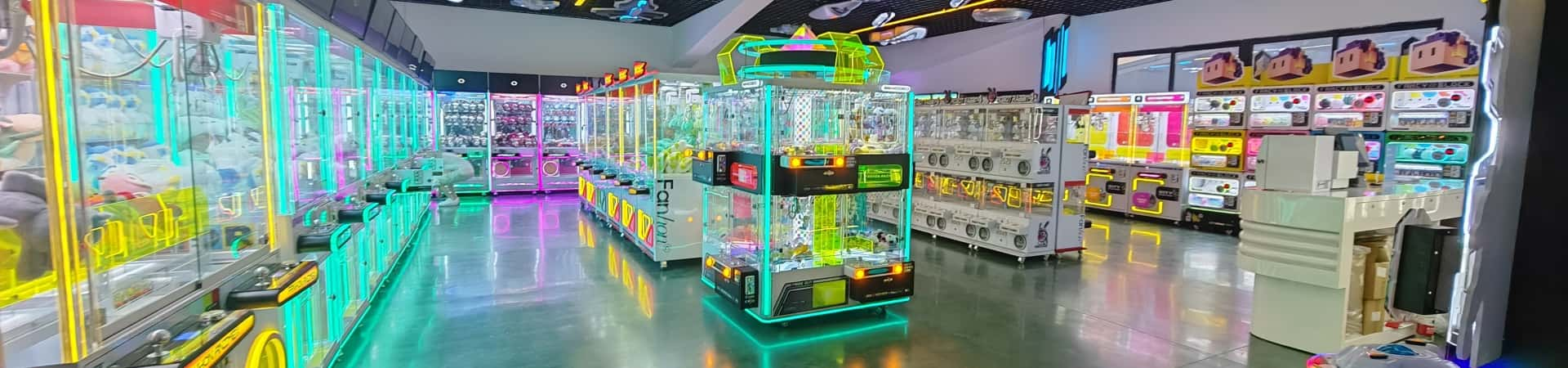
When purchasing commercial arcade machines from overseas, buyers need to verify more than the exterior appearance.
A machine may look attractive in product photos but still require careful checking of its controls, lighting, payment components, moving mechanisms and accessories.
A clear quality inspection process helps buyers identify potential problems before shipment, reduce misunderstandings and confirm that the delivered equipment matches the agreed specifications.
For arcade operators, distributors and entertainment venue developers, pre-shipment checks are an important part of international purchasing.
1. Check the Cabinet and Exterior Finish
Start with a visual inspection of the machine cabinet.
Look for scratches, dents, uneven panels, loose decorative parts and inconsistencies between the approved design and the finished machine.
For customized machines, verify the logo, graphics, colors and lighting layout against the approved artwork or specification sheet.
Check that access doors and service panels can be opened as intended and that cabinet components are properly fitted.
For a multi-machine order, confirm that the agreed exterior design and configuration are consistent across the shipment.
2. Test the Electrical System and Lighting
Electrical requirements should be confirmed for the destination country before production or shipment.
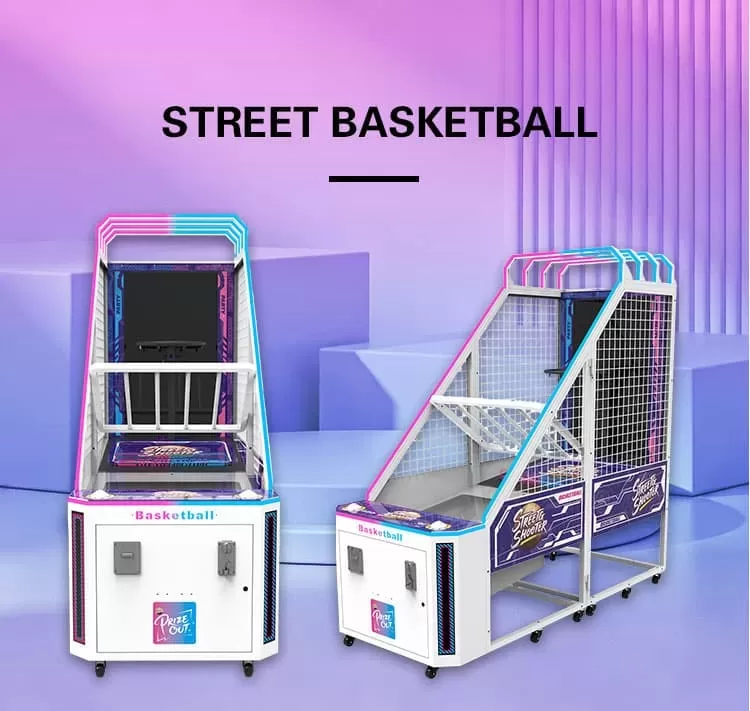
The inspection should verify that the machine has the agreed electrical configuration and that accessible connections, switches and lighting operate as expected.
Depending on the machine, checks may include:
Power-on and startup behavior
LED lighting and illuminated displays
Control panel operation
Display and sound functions, when fitted
Visible wiring and connector condition
Emergency or protective features where applicable
Electrical testing should be performed by appropriately qualified personnel using procedures suitable for the equipment.
Do not assume that a machine is suitable for every market simply because it powers on. Verify voltage, frequency, plugs, applicable standards and any required certification for the destination.
3. Test Gameplay and Moving Components
Functional testing should reflect the actual machine model.
For a claw machine, the inspection may cover joystick or button controls, claw movement, prize detection where fitted, and the intended prize-release sequence.
For a capsule vending machine, test the dispensing mechanism and confirm that the selected capsule size is compatible with the machine.
For racing, shooting or air hockey equipment, verify the relevant controls, sensors, displays and game functions included in the specification.
Record any abnormal noise, inconsistent movement, error messages or failures during testing. A documented test is more useful than a general statement that the machine is working.
4. Verify Payment Hardware
Payment systems should be checked against the configuration agreed in the purchase order.
If the machine uses a coin mechanism, verify that the supported coin type and payment sequence operate correctly.
If card readers or QR payment devices are included, confirm their hardware configuration and the required software or third-party service integration.
Some payment functions require a separate account, network connection, regional service or commissioning process. A factory test alone may not establish that the complete payment service is ready for use in the buyer's country.
Agree in advance on which functions the factory can test and which require local activation.
5. Confirm Accessories and Spare Parts
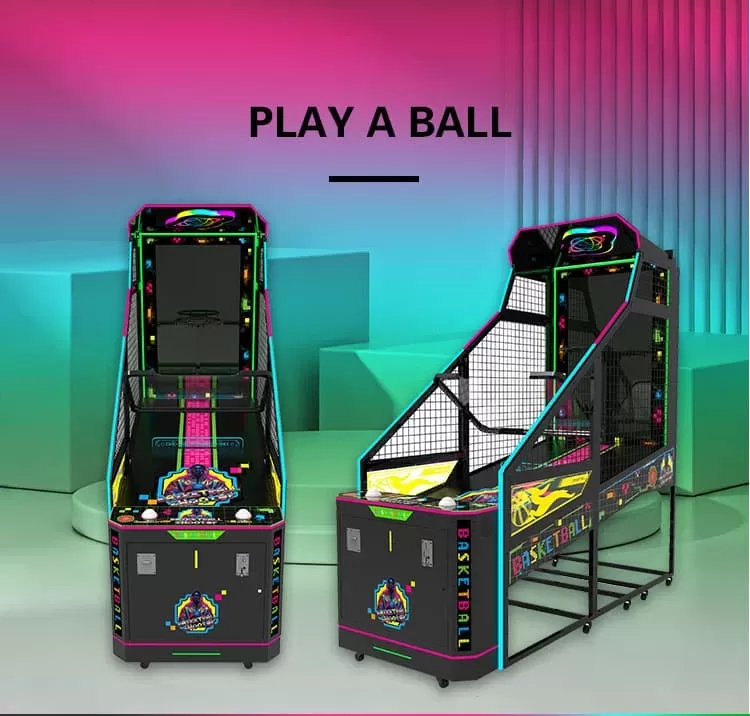
Before shipment, compare the packed accessories with the purchase order.
Depending on the order, items may include keys, power cables, manuals, installation components, payment hardware or spare parts.
Prepare an itemized packing list and identify any components that will be shipped separately.
For multi-unit orders, confirm the quantity of each model and any model-specific accessories. This helps reduce receiving and inventory problems after delivery.
6. Inspect Packaging and Shipment Preparation
Arcade machines can be vulnerable to impact, vibration and handling during international transport.
Check whether the packaging is suitable for the machine's dimensions, weight, structure and transport method.
The agreed packing process may include protective wrapping, corner protection, internal cushioning, reinforced cartons or wooden packaging where appropriate.
Before dispatch, request photos of the packed equipment and verify the shipping marks, quantity and destination details.
Packaging requirements should reflect the actual shipping arrangement. Buyers should also confirm who is responsible for freight, insurance, customs clearance and any special handling.
7. Create a Pre-Shipment Inspection Checklist
A written checklist makes the inspection more consistent and provides a reference if a discrepancy arises.
| Inspection item | What to verify |
|---|---|
| Model and quantity | Matches the purchase order |
| Cabinet finish | No obvious damage or unauthorized design changes |
| Electrical configuration | Matches the agreed destination requirements |
| Lighting and controls | Relevant functions operate as specified |
| Gameplay | Model-specific functions pass the agreed test |
| Payment hardware | Matches the ordered configuration |
| Accessories | Quantities match the packing list |
| Packaging | Suitable protection and correct shipping marks |
| Documentation | Agreed manuals and export documents are prepared |
The checklist should be adapted to the machine model and the acceptance criteria in the purchase agreement.
8. What Buyers Should Request from the Factory
Before authorizing shipment, buyers can request recent photos, test videos, an inspection checklist and confirmation of the final model configuration.
For larger orders, consider agreeing on inspection procedures and acceptance criteria before production begins.
If a third-party inspection is required, clarify its scope, timing, cost and responsibility in the purchase agreement.
A reliable supplier should be willing to clarify what has been tested, what remains to be completed and what documentation will be provided.
Work with a Manufacturer That Communicates Clearly
Quality control is most effective when the buyer and manufacturer agree on the specifications before production and maintain clear communication throughout the order.
Fanhong Arcade Factory supplies commercial claw machines, capsule and gashapon machines, prize machines and other arcade equipment. Buyers can discuss model specifications, customization requirements and inspection arrangements for their orders.
Learn more about our factory and company background or explore our arcade equipment solutions.
Frequently Asked Questions
Should arcade machines be tested before export?
Buyers should agree on appropriate functional tests and inspection criteria before shipment. The specific tests depend on the machine and purchase agreement.
Can I request a video of the machine working?
You can ask the supplier to provide a video showing the agreed operating functions. Confirm which functions are demonstrated and whether the video corresponds to your actual machine.
Does factory testing guarantee that no problems will occur?
No. Testing can identify issues before shipment, but it cannot eliminate every risk during transportation or future operation.
What should I do if a machine arrives damaged?
Document the condition immediately with photos and videos, retain the packaging where possible, review the shipping and insurance terms, and contact the supplier and relevant logistics parties promptly.
Request Inspection Information Before Ordering
Planning an arcade equipment purchase from China? Contact Fanhong Arcade Factory to confirm product specifications, available testing procedures, packing arrangements and pre-shipment inspection requirements.
Visit hxt5.com to explore available machines and discuss your order.