

For arcade operators, purchasing a machine is only the beginning of its working life. Routine maintenance, troubleshooting and access to compatible replacement parts can all affect how efficiently equipment is managed.
This is particularly important for businesses operating multiple machines or running a venue where equipment availability matters to daily operations.
Before purchasing commercial arcade equipment, buyers should understand what after-sales support is available, how replacement parts are identified and what information the supplier needs to assist with technical issues.
1. Why Spare Parts Planning Matters
Different arcade machines contain different mechanical, electrical and electronic components. A claw machine may use a movement mechanism and claw assembly, while a racing cabinet may include steering controls, pedals and display components.
Planning ahead can help operators:
Identify the correct replacement components.
Reduce delays caused by incomplete product information.
Organize maintenance records.
Communicate problems clearly to suppliers.
Understand which repairs require qualified technicians.
Not every component needs to be stocked on-site. The appropriate spare-parts plan depends on the equipment, usage level, supplier lead times and available maintenance resources.
2. Understand the Components in Your Machines
The first step is to maintain an accurate record of the equipment you own.
For each machine, record the model, serial number if available, purchase date and relevant configuration details. Keep the original specification sheet, operating manual and parts information where available.
Depending on the model, components may include:
Mechanical Components
These can include moving assemblies, linkages, handles or other parts involved in the machine's operation. The actual components vary by equipment type.
Electrical Components
Some machines include wiring, connectors, power-related components and lighting. Electrical inspection and repair should follow the manufacturer's instructions and applicable safety requirements.
Controls and User Interfaces
Buttons, joysticks, steering controls, pedals and other user-operated parts may require attention over time, depending on the model and usage.
Payment Hardware
Machines may use different payment configurations. Confirm the exact installed hardware before ordering replacement parts.
Display and Cabinet Components
Screens, transparent panels, doors, locks and cabinet accessories may have model-specific dimensions or fitting requirements.
These categories are general examples. Use the manufacturer's parts list to identify the components actually fitted to your equipment.
3. How to Identify the Correct Spare Part
Ordering a visually similar component is not enough to establish compatibility.
Before requesting a replacement, collect the following information:
Machine model and serial number, if available.
Component name or part number.
Photographs of the component and its connection points, where safe to obtain.
A description of the fault.
Any error message or unusual behavior.
The machine's configuration, including relevant optional hardware.
If you cannot identify the component, send the supplier clear photographs of the machine and the affected area. Do not remove internal parts unless the operating manual permits it and the work can be performed safely.
Ask the supplier to confirm the part number and compatibility before payment or dispatch.
4. Build a Practical Spare-Parts Inventory
A spare-parts inventory should be based on operational needs rather than guesswork.
For a small venue, it may be sufficient to maintain a digital list of equipment models, supplier contacts and commonly needed consumables or accessories.
For a larger arcade, consider a more structured inventory system that records:
Part name and reference number.
Compatible machine models.
Quantity on hand.
Date received and used.
Supplier and reorder information.
Storage location.
Any special handling instructions.
Review the inventory periodically and update it when machines are added, modified or retired.
Before stocking parts in bulk, confirm compatibility with the actual equipment configuration. A component used in one model may not fit another model from the same product family.
5. What Should After-Sales Support Include?
After-sales arrangements differ between suppliers. Buyers should confirm the exact scope of support before placing an order.
Depending on the agreement, support may include:
Operating manuals and product documentation.
Guidance for identifying common faults.
Technical communication with the supplier.
Advice on compatible replacement parts.
Warranty procedures.
Recommendations for qualified local service providers, where available.
Do not assume that every service is included in the purchase price. Confirm response procedures, warranty coverage, parts availability and any service charges in writing.
For overseas customers, ask how support is delivered across time zones and what information is needed to begin troubleshooting.
6. How to Report a Technical Problem
A clear problem report helps the supplier understand what is happening.
When contacting the supplier, include:
Machine identification: Model, serial number if available and purchase reference.
Fault description: Explain what happens, when it occurs and whether the problem is continuous or intermittent.
Evidence: Provide photos, video or displayed error messages where appropriate.
Recent changes: Mention any recent maintenance, replacement parts or configuration changes.
Checks completed: Describe only the checks permitted by the operating manual.
Do not repeatedly operate equipment that appears unsafe or attempt unauthorized electrical repairs. Follow the supplier's instructions and use qualified technicians where required.
7. Warranty and Replacement-Part Questions
Before ordering, ask the supplier to clarify:
What the warranty covers and excludes.
When the warranty period begins.
How a fault should be reported.
Whether parts or labor are covered.
Who pays shipping for replacement components.
Which documentation is required for a warranty claim.
Whether replacement parts can be purchased after the warranty period.
These conditions can vary by product, order and destination. A written agreement is more reliable than assumptions based on general industry practice.
8. How to Choose an Arcade Equipment Supplier
A suitable supplier should be able to explain product specifications and provide a clear process for handling equipment questions.
When evaluating a supplier, consider:
Product Information
Can the supplier provide accurate model specifications, operating instructions and relevant parts information?
Component Identification
Can the supplier help identify a component using the model details and appropriate photographs?
Communication
Are the quotation, warranty conditions and support procedures clearly documented?
Export Experience
Can the supplier explain the packaging, shipment and documentation arrangements relevant to the order?
Project Requirements
If you are purchasing multiple equipment types, can the supplier discuss model selection and the practical requirements of the project?
These points can help buyers compare suppliers beyond the initial machine price.
9. After-Sales Support from Fanhong Arcade Factory
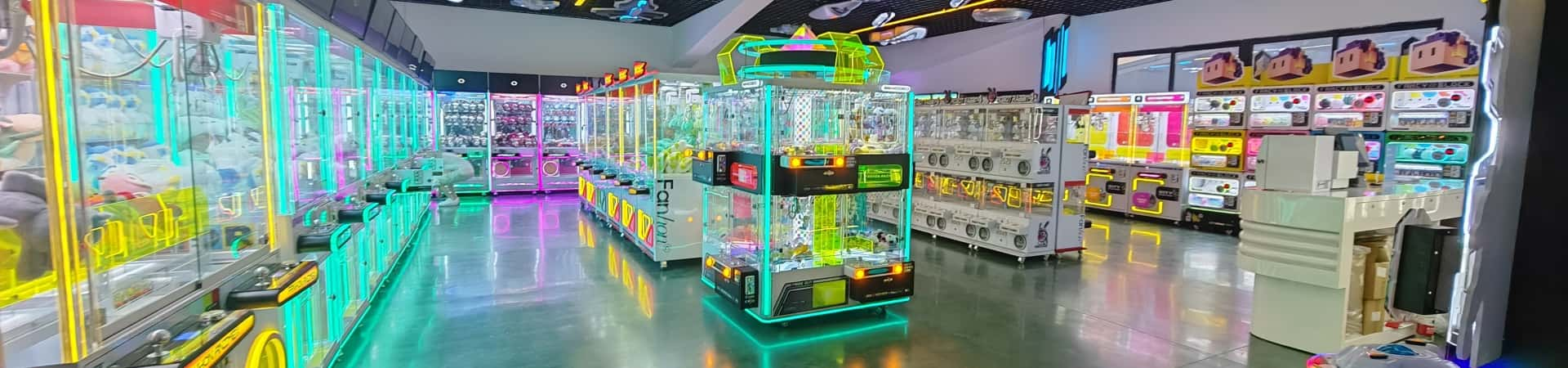
Fanhong Arcade Factory is based in Panyu, Guangzhou, China, and supplies commercial claw machines, capsule vending machines and other arcade equipment for international business customers.
Before placing an order, buyers can discuss the selected model, included accessories, documentation, warranty conditions and the process for requesting compatible replacement parts.
For efficient support, keep the machine model, order reference and photos of any issue available when contacting the supplier. Specific parts availability and service terms should be confirmed for the model and order in question.
Learn more about our company and factory or review our arcade project solutions.
Frequently Asked Questions
Should I buy spare parts when purchasing arcade machines?
It depends on the machine, operating intensity, supplier lead times and your maintenance arrangements. Ask the supplier which parts are recommended for your particular model before ordering extras.
Can I use a spare part from a similar machine?
Not unless compatibility is confirmed. Components that look similar may have different dimensions, connectors or operating specifications.
What information should I send when requesting a replacement part?
Provide the model, serial number if available, part reference, fault description and clear photographs where appropriate.
Does every supplier provide free technical support?
No. Support scope and charges vary. Confirm the available services, warranty conditions and technical communication process before purchasing.
Conclusion
Spare-parts planning and clear after-sales arrangements are important considerations when purchasing commercial arcade equipment. Maintain accurate model records, verify component compatibility and understand warranty and service conditions before problems arise.
Looking for a commercial arcade equipment supplier? Contact Fanhong Arcade Factory to discuss machine specifications, available accessories, replacement-part inquiries and after-sales arrangements.
Website: https://www.hxt5.com/
WhatsApp: +86 199 2830 9481
Email: Fanhong668@gmail.com